
Healthcare delivery across the Southeast is changing – and medical office construction is evolving right alongside it. Population growth, an aging demographic, and shifts toward outpatient care are driving demand for modern, flexible medical facilities that prioritize both patient experience and operational efficiency.
Today’s medical office buildings must do more than house exam rooms. They must support new care models, integrate advanced technology, meet stringent regulatory requirements, and remain adaptable for future growth. Understanding current medical office construction trends helps healthcare organizations make informed decisions when planning new facilities or renovations.
Below are the key trends shaping medical office construction – and why early collaboration through a design-build approach continues to gain traction.
The Shift Toward Outpatient and Ambulatory Care Facilities
One of the most significant medical office construction trends is the continued move away from centralized hospital campuses toward outpatient and ambulatory care facilities. Healthcare providers are increasingly bringing services closer to patients, reducing travel time while improving access and convenience.
This shift impacts how facilities are designed and built. Outpatient clinics often require:
- Efficient layouts that reduce patient wait times
- Exam rooms designed for multi-specialty use
- Compact yet flexible footprints that maximize usable space
Because outpatient facilities often operate on tighter schedules and budgets, early alignment between design and construction teams is critical. A design-build delivery model allows healthcare providers to balance clinical needs, construction costs, and timelines from the very beginning of the project.
Patient-Centered Design as a Strategic Priority
Patient experience is no longer an afterthought in medical office construction. Healthcare organizations recognize that the built environment directly affects patient comfort, satisfaction, and outcomes.
Modern medical offices increasingly incorporate:
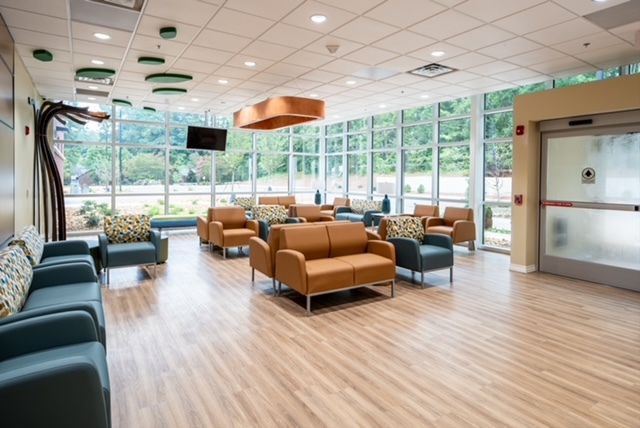
- Natural light to reduce stress and improve wayfinding
- Thoughtful acoustics to enhance privacy and reduce noise
- Comfortable waiting areas designed to feel welcoming rather than clinical
These design decisions also benefit staff by creating calmer, more functional work environments. When clinicians and support teams can move efficiently through a well-planned space, productivity improves – and burnout risks decrease.
Patient-centered design must be balanced with operational efficiency, which is why early planning and space programming are so important.
Flexibility and Future-Proofing Facility Design
Healthcare delivery models continue to evolve, making flexibility one of the most critical considerations in medical office construction. Facilities built today must be able to adapt to new technologies, changing patient volumes, and expanded service offerings.
Trends in flexible medical office design include:
- Modular exam rooms that can be reconfigured
- Infrastructure sized to support future equipment upgrades
- Shell space reserved for future expansion
Planning for flexibility during pre-construction helps avoid costly renovations down the road. Design-build teams can identify opportunities to future-proof facilities without significantly increasing upfront costs.
Technology Integration and Infrastructure Planning
Technology is reshaping how healthcare is delivered, and medical office construction must support that transformation. From telehealth capabilities to advanced diagnostic equipment, today’s facilities require robust infrastructure planning.
Key considerations include:
- Reliable data and power systems for medical technology
- Space planning for imaging and specialized equipment
- Secure IT infrastructure to support patient data protection
Technology integration is most successful when addressed early in the design process. Coordinating these systems during pre-construction reduces conflicts, minimizes rework, and ensures that facilities are ready to support evolving care models.
Navigating Regulatory and Compliance Requirements
Medical office construction is governed by a complex set of regulations and codes, including life safety standards, accessibility requirements, and healthcare-specific guidelines. Navigating these requirements can be challenging – particularly for organizations managing construction while continuing daily operations.
Experienced healthcare construction teams help manage:
- ADA compliance and accessibility standards
- Life safety and fire protection requirements
- Local, state, and federal healthcare regulations
Early coordination between designers, builders, and regulatory authorities helps identify potential issues before they impact project schedules or budgets.
Accelerated Schedules and Speed to Market
Speed to market is a growing priority for healthcare providers. Delays in opening a medical office can affect patient access, staffing plans, and revenue projections.
Design-build delivery supports faster project timelines by:
- Allowing overlap between design and construction phases
- Reducing change orders through early collaboration
- Streamlining communication among stakeholders
Phased construction strategies are also common, particularly for renovations or expansions within occupied facilities. These approaches minimize disruption while allowing providers to begin serving patients sooner.
Sustainability and Operational Efficiency
Sustainability is becoming an increasingly important consideration in medical office construction – not only from an environmental perspective, but also in terms of long-term operational costs.
Sustainable design strategies may include:
- Energy-efficient HVAC systems
- Durable materials that withstand frequent cleaning
- Building systems designed for lower maintenance costs
These features support long-term cost control while aligning with broader organizational sustainability goals.
Building Medical Offices for Long-Term Success
Medical office construction trends reflect a broader shift toward patient-focused, technology-enabled, and adaptable healthcare environments. Facilities that succeed are those planned with a clear understanding of operational needs, regulatory requirements, and future growth.
Partnering with an experienced design-build contractor like Fitts & Goodwin helps healthcare organizations navigate complexity while delivering facilities that support both patient care and business objectives.